

What Is Double Glazed Window Glass and How Does It Work?
Anatomy of an Insulated Glass Unit
To understand why double glazed window glass performs so much better than older glass choices, it helps to look inside a modern Insulated Glass Unit (IGU). An IGU is an airtight assembly designed to stop heat from moving freely through your window openings.
A standard double-glazed assembly consists of five primary components:
- Outer Pane: The exterior sheet of glass (typically 3mm to 8mm thick) that absorbs external wind pressure, weather, and physical impacts.
- Inner Pane: The interior glass sheet facing your living room or office space, acting as the final barrier between indoor temperatures and external conditions.
- Spacer Bars: Structural channels separating the two panes around the perimeter. While traditional units used raw aluminium spacers, modern units utilize warm-edge technology (such as structural foam or composite thermoplastics) to reduce cold bridging around the window edges.
- Desiccants: Moisture-absorbing materials contained inside hollow spacer bars to keep the sealed airspace dry and prevent internal fogging.
- Gas Fill: An inert gas trapped inside the cavity. While standard units historically used plain dry air, standard double-glazed units today feature an argon gas fill, which has a thermal conductivity 67% that of air.
Primary sealants like polyisobutylene and secondary structural sealants like silicone or polysulfide lock these components together, holding the gas inside and keeping moisture out.
Single Glazing vs Double Glazing
Single-glazed windows consist of a single pane of glass set into a frame. Because glass is a poor insulator on its own, single-pane glass provides an R-value of roughly 0.9 (an RSI-value below 0.2). Heat glides straight through it, forcing air conditioners and heat pumps to run continuously.
Double glazing cuts heat loss in half compared to single glazing simply by trapping a quiet layer of air or gas between two panes. When you upgrade to a double-paned unit with a half-inch air space, the unit’s R-value leaps to 2.084. When combined with an argon gas fill and a low-emissivity (Low-E) coating, that rating jumps to 3.846—more than four times the thermal resistance of single-pane glass. To explore how upgraded window systems work alongside exterior doors to seal your building envelope, check out how doors and windows work together for energy efficiency.
Key Benefits and Performance Metrics
Thermal Insulation and Energy Metrics
When reviewing specifications for double glazed window glass, you will encounter standardized performance metrics:
- U-Factor (U-Value): Measures the rate of non-solar heat transfer through the window assembly. Lower U-factors mean better insulating ability. Standard clear double glazing has a center-of-glass U-factor of roughly 0.48 (US units) or 1.10 to 1.6 W/m²K (metric). Premium vacuum units can drop down to 0.35 W/m²K.
- R-Value: The direct inverse of the U-factor measuring thermal resistance. Higher numbers mean better insulation. Standard 2×4 stud walls range from R-12 to R-15, making high-R window glass crucial to reducing overall energy bills.
- Solar Heat Gain Coefficient (SHGC): Measures the fraction of solar radiation admitted through a window. In hot, sunny climates like Southwest Florida, lower SHGC ratings (e.g., 0.25 to 0.35) are essential for blocking heat buildup and cutting HVAC expenses by up to 30%.
- Visible Light Transmittance (VT or LTA): The percentage of visible light passing through the glass. Advanced coatings allow 50% to 83% of daylight inside while reflecting harmful infrared and UV rays.
| Glazing Configuration | Center-of-Glass U-Factor | Approx. R-Value | Solar Heat Gain Coefficient (SHGC) |
|---|---|---|---|
| Single Pane Clear (1/8″) | 1.11 | 0.90 | 0.86 |
| Double Pane Clear (1/2″ Air Space) | 0.48 | 2.08 | 0.76 |
| Standard Double Glazed Units (Argon + Low-E) | 0.26 | 3.85 | 0.35 – 0.70 |
| Top Solar Performance Double Silver Low E (23mm) | ≤0.28 | 3.57 | 0.25 – 0.35 |
| Vacuum Insulated Glass | 0.07 – 0.09 | 11.0 – 14.0 | 0.39 |
Acoustic Dampening and Condensation Prevention
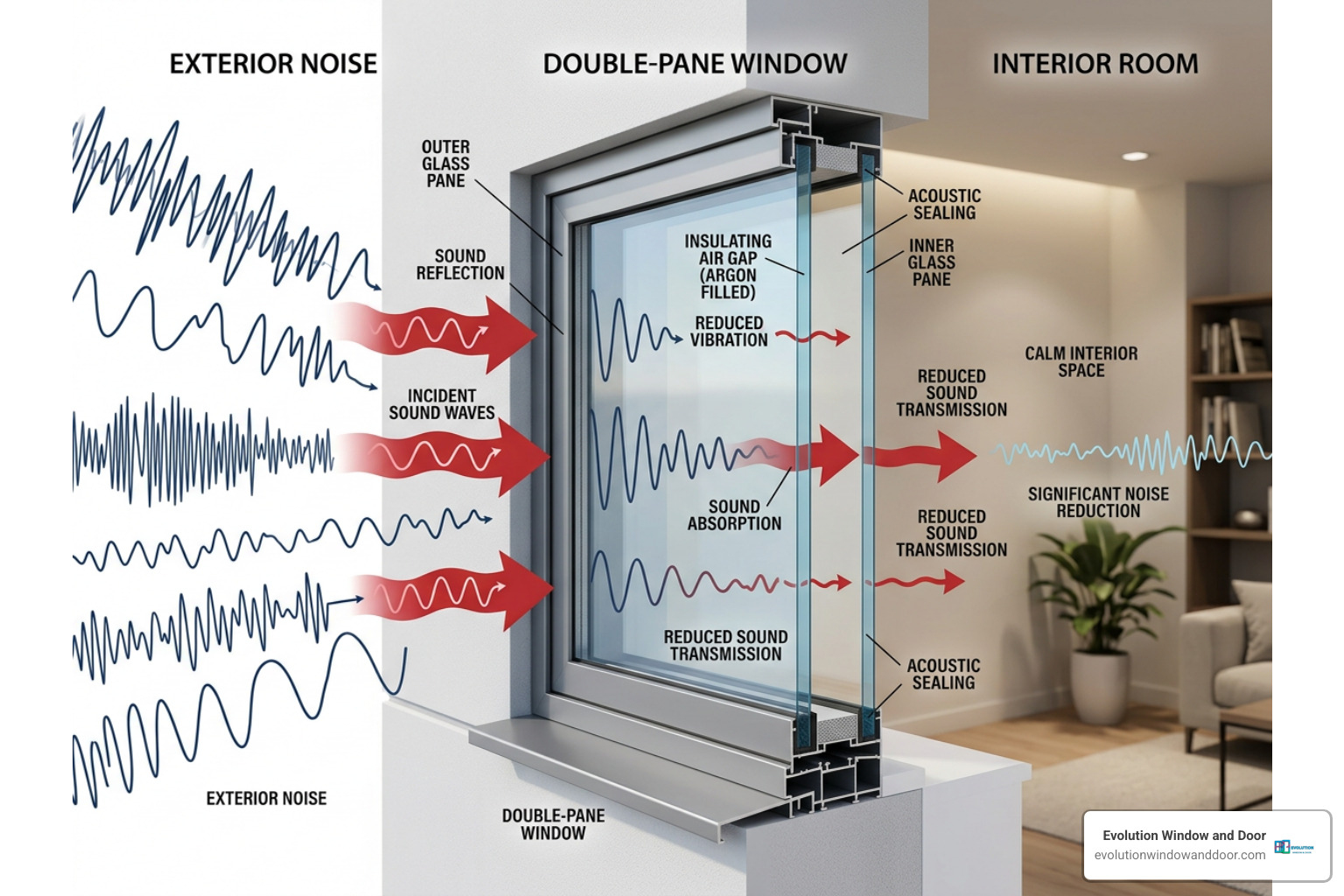
Beyond keeping room temperatures stable, double glazing delivers acoustic suppression. Traffic, construction, and neighborhood chatter pass easily through single glass. Standard double glazing reduces external noise by 40% to 50%, achieving a Sound Transmission Class (STC) rating between 35 and 40 dB.
To maximize soundproofing, choose asymmetric glass builds (such as pairing a 6mm outer pane with an 8mm inner pane). Varying the thickness breaks up different soundwave frequencies more effectively than symmetrical panes.
Double glazing also eliminates interior window condensation. Because the inner glass pane stays much closer to room temperature, indoor humidity will not readily condense on the surface, protecting adjacent interior walls, paint, and window sills from moisture damage.
Types of Double Glazed Window Glass Options
Glass Coatings and Double Glazed Window Glass Types
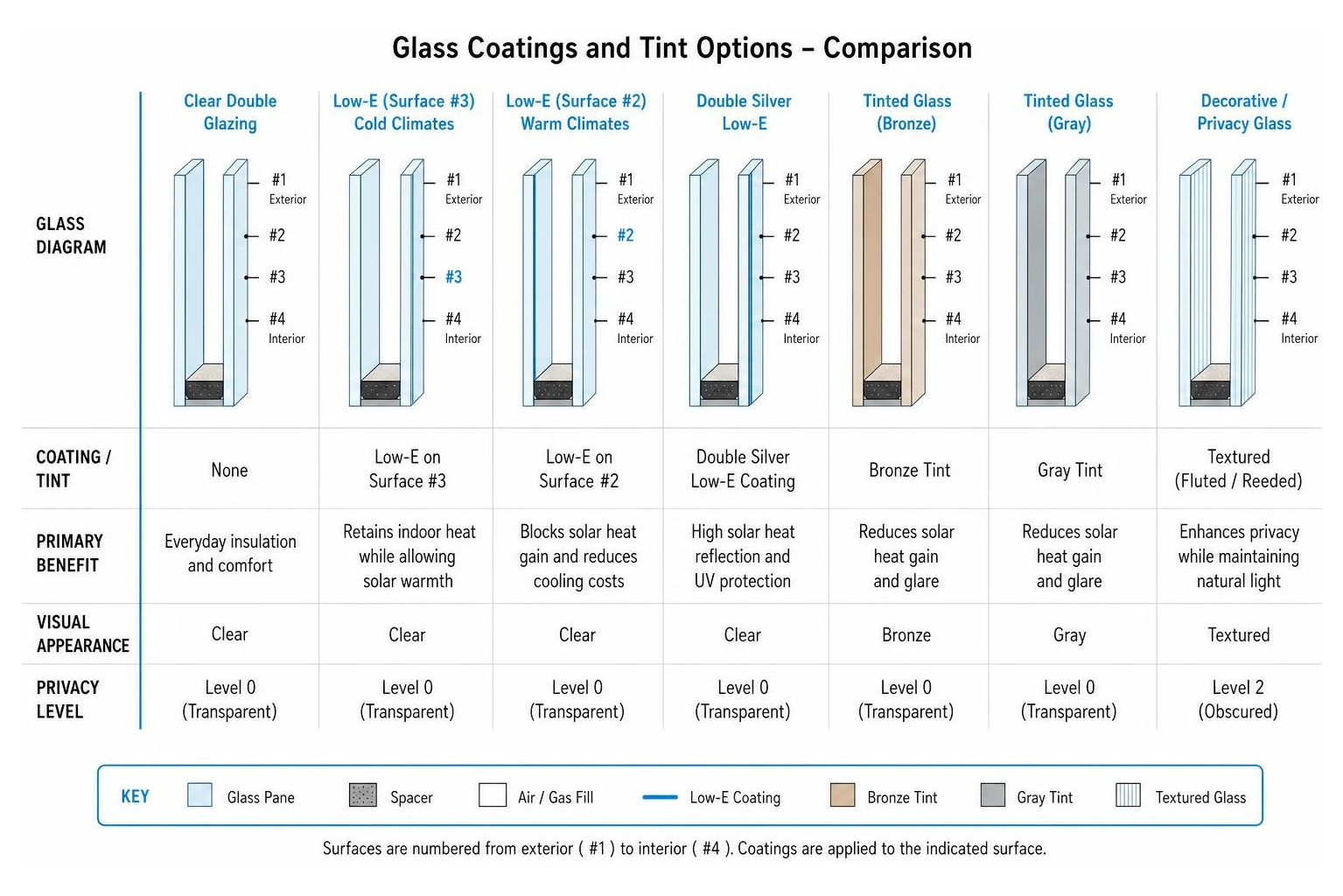
Not all glass is created equal. Depending on your building orientation and local weather, you can select specialized coatings and glass styles:
- Low-E Coatings: Microscopically thin metallic layer coatings reflect thermal energy. In cold northern zones, Low-E is applied to Surface #3 (the exterior face of the inner pane) to absorb passive solar warmth while keeping interior heat inside. In sunny southern zones, soft-coat Low-E is applied to Surface #2 (the interior face of the outer pane) to reflect solar radiation out before it enters the home.
- Double Silver Low-E Glass: Utilizes multiple layers of silver to reflect up to 90% of solar infrared heat and block 99% of damaging UV rays, maintaining natural daylight clarity while cutting air-conditioning costs.
- Tinted Glass: Bronze or gray tinted glass reduces solar heat gain and glare without altering the thermal U-factor. Tinting is helpful in bright locations, though Low-E coatings deliver superior heat control without darkening your view.
- Decorative & Privacy Options: Textured options like fluted or reeded glass—such as Linear™ Double Glazed Units—deliver Level 2 privacy for entryways and bathrooms without sacrificing light transmission.
Vacuum Insulated Glass vs Multi-Pane Options
When evaluating maximum insulation, homeowners often compare double glazing with triple glazing or vacuum glass:
- Triple Glazing: Incorporates three glass panes and two gas cavities. While achieving R-values around 5.4, triple glazing creates thick, heavy units (up to 38mm) that often require structural framing reinforcements.
- Vacuum Insulated Glass (VIG): Technologies like BENGglas Monu remove the internal gas entirely to create a vacuum cavity supported by micro-spacers. VIG units deliver U-values down to 0.35 W/m²K within ultra-thin profiles starting at just 6.7mm—making them ideal for heritage restorations or retrofitting slim existing frames. VIG also maintains its full insulation value when mounted at a horizontal or sloped tilt, whereas gas-filled double units lose 40% to 60% of their thermal performance on sloped surfaces.
Longevity, Maintenance, and Replacement Factors
Understanding Double Glazed Window Glass Seal Failure
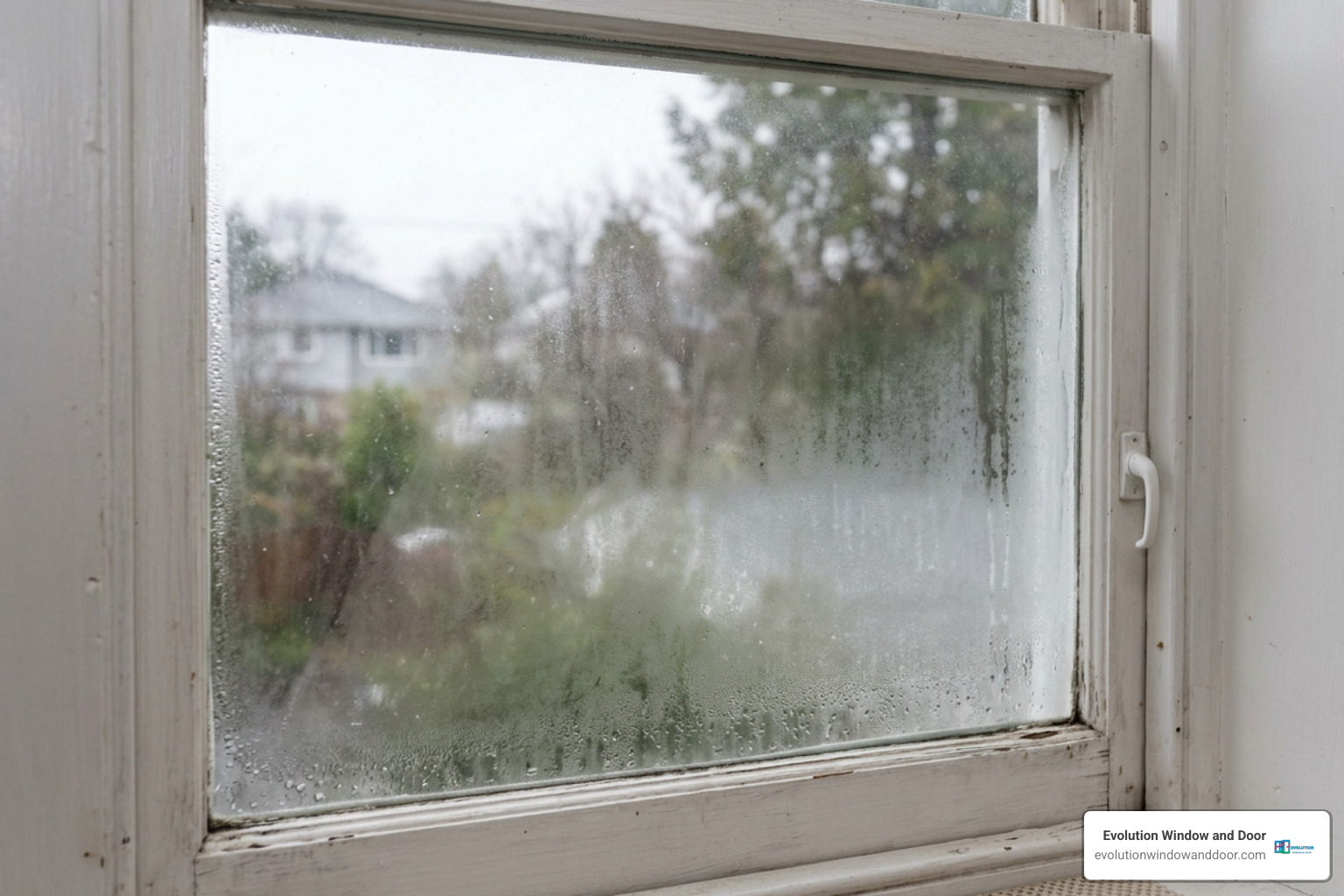
Double-glazed units typically last between 10 and 25 years. Units facing direct equatorial solar exposure often experience shorter life cycles (around 12 years) due to constant thermal expansion and contraction.
Over time, constant temperature cycling stresses the perimeter sealants. Once small cracks form in the primary seal:
- Moisture slowly penetrates the gas cavity.
- The internal desiccant material absorbs moisture until saturated.
- Liquid droplets condense between the glass panes, creating a hazy, fogged appearance that cannot be wiped clean.
When this occurs, the insulating gas has escaped, and the unit must be replaced to restore energy performance. Learn more about identifying compromised windows by reading our article on signs its time to replace your doors or windows.
Frame Selection and Replacement Considerations
When replacing damaged glass or installing new windows, choosing the right frame material is critical to overall thermal and structural performance:
- Vinyl (PVC) Frames: Highly insulating, moisture-resistant, low maintenance, and affordable.
- Aluminium Frames: Exceptionally strong and slim, ideal for large glass spans and hurricane impact ratings when constructed with internal thermal breaks.
- Wood Frames: Classic appearance with high natural insulation, requiring regular painting or staining to protect against humidity.
- Composite Frames: Combines the strength of metal or wood with low-maintenance synthetic resins.
When ordering custom replacement double glazed units, measure both the visible glass and the hidden frame pocket in millimeters, verify unit depth (commonly 24mm or 28mm), and confirm whether local codes require toughened safety glass (mandatory if the window is within 800mm of the floor or within 300mm of a door). To discover the ideal frame layout for your residence, review our guide on choosing the right window style for your home.
Frequently Asked Questions About Double Glazed Windows
How long does double glazed window glass typically last?
Most standard double-glazed sealed units last between 10 and 25 years. Lifespans vary based on manufacturing quality, warm-edge spacer selection, installation precision, and local climate intensity.
What is the average cost of double glazed replacement windows?
Double-hung double-glazed windows typically cost between $270 and $900 per window unit, while casement styles range from $355 to $900 per window, depending on frame choice, impact requirements, and Low-E glass upgrades. These upfront investments are offset over time by reduced heating and cooling utility costs.
What causes condensation to form inside double glazed glass panes?
Internal fogging happens when the perimeter seal breaks down, allowing ambient humidity into the cavity. Once the inner desiccant saturates, water drops settle on the interior glass surface. This sign indicates seal failure, requiring a sealed unit replacement.
Conclusion
Upgrading to high-performance double glazed window glass is one of the most effective investments you can make for your home. By combining dual glass panes, argon gas insulation, warm-edge spacers, and double silver Low-E coatings, double glazing lowers energy bills, blocks exterior noise, and keeps indoor living areas comfortable year-round.
At Evolution Window and Door, we provide pressure-free guidance to help Southwest Florida homeowners navigate energy ratings, impact codes, and grant programs. Whether you need specialized Florida hurricane-rated impact glass or high-efficiency custom windows, our expert installation team ensures lasting durability. Explore our full selection of high-performance replacement options by browsing our premium windows today!


