

Window Replacement: Safer, More Efficient Windows for Florida Homes
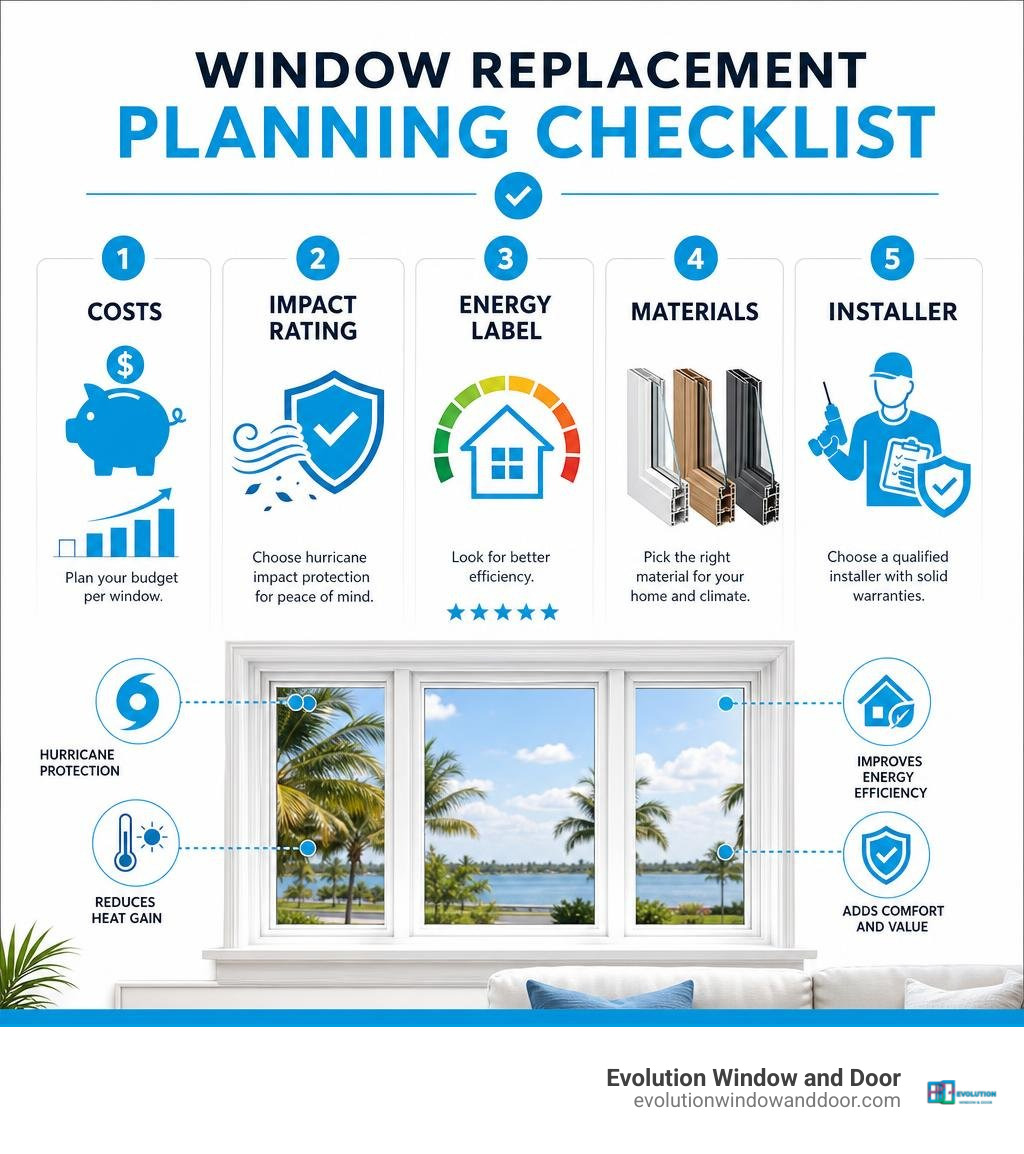
For a Florida home, window replacement is most valuable when it improves hurricane protection, reduces heat gain, and fits the existing openings correctly. Start by checking whether you need an insert (pocket) window or a full-frame replacement, then compare impact ratings, NFRC energy-label values, frame materials, and installer warranties.
A professionally installed replacement window averages about $800 nationally, though the final price can range from roughly $300 to $3,000 per window based on size, glass, frame, and installation needs. In Florida, hurricane-rated impact windows can cost more, but they may provide wind-borne debris protection and may help some homeowners qualify for insurance savings.
New Energy Star certified windows can also lower heating and cooling costs. The biggest savings usually come from replacing drafty single-pane windows or older units with failed seals.
This guide explains what to buy, what it should cost, and how to choose a qualified installer without getting lost in sales jargon.
Understanding Window Replacement Costs and ROI
When planning a home improvement project, cost transparency is essential. Across the United States, replacing the windows in a typical one-story home costs approximately $8,000 for a standard project, with individual professional installation fees running between $100 and $300 per unit. However, the final price tag depends heavily on your choice of frame material, size, structural preparation, and local building performance standards.
Beyond the initial investment, high-quality replacement units yield strong returns on investment (ROI). According to industry remodeling data, homeowners recoup an estimated 67 percent of vinyl window replacement costs and 63 percent of wood window replacement costs at resale.
Furthermore, investing in qualifying energy-efficient models allows homeowners to take advantage of financial incentives. Through the end of 2025, eligible Energy Star installations qualified for a 30 percent federal energy tax credit (up to $600). Homeowners dealing with minor localized moisture issues might also review how much resealing double glazed windows costs in 2026 when weighing repair against a complete replacement.
| Frame Material / Project Type | Average Cost Per Window (Installed) | Expected Resale ROI | Typical Lifespan | Maintenance Needs |
|---|---|---|---|---|
| Standard Vinyl | $300 – $900 | ~67% | 20–30 Years | Low (occasional wash) |
| Composite / Fiberglass | $600 – $1,500 | ~65% | 30–40+ Years | Very Low (durable finish) |
| Aluminum-Clad Wood | $800 – $2,500 | ~63% | 25–35 Years | Moderate (exterior care) |
| Solid Wood / Custom Sash | $1,000 – $3,000+ | ~60% | 30+ Years (if maintained) | High (painting / sealing) |
| Storm / Impact-Rated Units | $700 – $2,800+ | High (Insurance + Resale) | 25–35+ Years | Low to Moderate |
Pocket vs. Full-Frame Window Replacement
Choosing the correct installation method is one of the most critical structural decisions you will make.

- Pocket (Insert) Replacement: In an insert replacement, the new window unit fits neatly inside the existing, structurally sound window frame. The contractor preserves the interior trim, exterior casing, and surrounding siding or stucco. This method saves significant labor time and keeps costs lower.
- Full-Frame Replacement: If the existing frame exhibits rot, structural warping, or water intrusion, a full-frame replacement is mandatory. The crew strips the opening down to the rough structural studs, replaces rotted sub-framing, installs new sill pans and flashing, and sets the entire unit from scratch. While labor-intensive (taking 4 to 6 hours per ground-floor window), it guarantees a weather-tight envelope.
Evaluating Energy Savings and Efficiency Ratings
A window’s thermal efficiency is measured independently by the National Fenestration Rating Council (NFRC) and certified through the EPA’s Energy Star program. Understanding how to read an NFRC label ensures you select the right performance package:
- U-Factor (0.15 – 1.20): Measures the rate of heat loss. The lower the U-factor, the better the window insulates against outdoor temperatures.
- Solar Heat Gain Coefficient (SHGC, 0 – 1): Measures how much solar radiation enters your home. In warm, sunny regions, a low SHGC (under 0.25) is vital to keep interior spaces cool and reduce air conditioning loads.
- Air Leakage (AL): Measures draftiness; lower ratings mean fewer air leaks around the sashes.
- Visible Transmittance (VT): Measures how much natural daylight passes through the glass.
Installing new Energy Star certified windows saves the average homeowner approximately 13 percent on annual energy bills. In cooling-dominated climates, blocking radiant heat helps ensure your home operates efficiently. You can explore how doors and windows work together for energy efficiency to see how a complete envelope upgrade cuts household utility expenses.
Comparing Window Frame Materials and Glazing Features
Selecting the right frame material determines durability, curb appeal, and long-term upkeep.
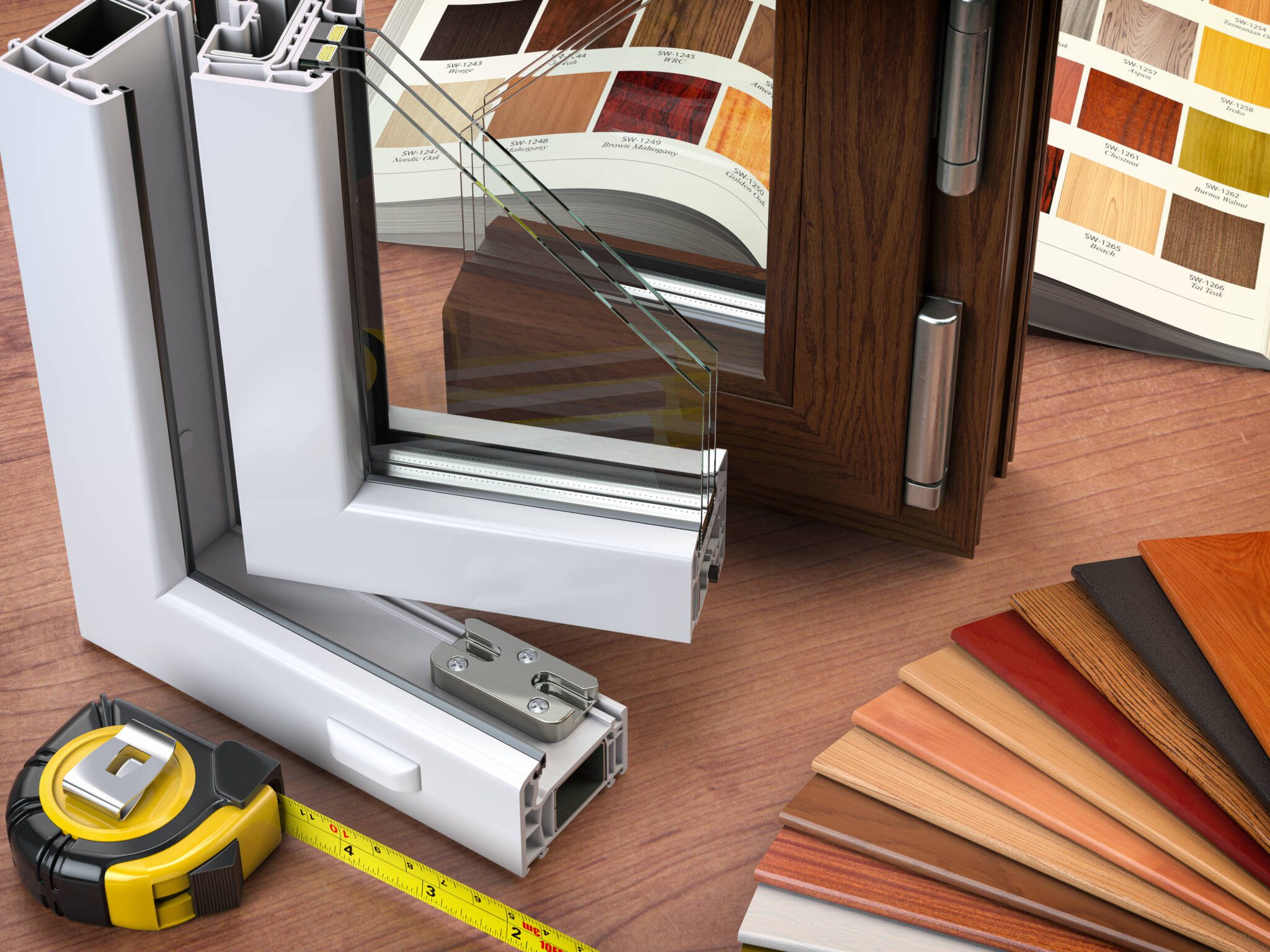
- Vinyl Frames: Practical, cost-effective, and moisture-resistant. Vinyl frames contain internal chambers that insulate well and never require painting.
- Composite and Fiberglass: Engineered for maximum rigidity and dimensional stability. Composite materials expand and contract very little during temperature swings, making them exceptionally durable in humid or coastal environments.
- Wood and Clad-Wood: Wood interiors provide unmatched traditional beauty, while exterior aluminum or vinyl cladding shields the timber from exterior weathering. If you appreciate heritage woodwork, read how much you should pay for double glazed wooden sash windows to budget for premium joinery.
Glazing, Low-E Coatings, and Gas Fills
Modern glass engineering provides superior comfort compared to legacy single-pane units. An Insulated Glass Unit (IGU) incorporates two or three panes separated by a hermetically sealed spacer system. For a comprehensive overview of construction and thermal properties, read everything you need to know about double glazed window glass.
- Low-E (Low-Emissivity) Coatings: Microscopically thin metallic layers applied to the glass reflect infrared heat while letting natural light pass through. In southern climates, placing Low-E coatings on the outer surfaces keeps radiant solar heat outside.
- Argon Gas Fills: Denser than regular air, non-toxic argon gas injected between glass panes slows thermal convection and improves overall insulation.
- Double vs. Triple Glazing: While triple glazing provides peak acoustic and thermal insulation, double glazing with high-performance Low-E coatings provides the most practical return for most homes.
Storm and Hurricane Impact Windows
In coastal communities throughout Southwest Florida—including Fort Myers, Cape Coral, Naples, Bonita Springs, Sanibel, Pine Island, Punta Gorda, Port Charlotte, and Sarasota—storm-ready windows are a necessity.
Impact-rated windows combine heavy-duty reinforced framing with laminated safety glass. Similar to an automotive windshield, impact glass bonds a tough polyvinyl butyral (PVB) or SentryGlas interlayer between two heat-strengthened glass sheets.
- Wind-Borne Debris Protection: When airborne debris strikes the glass during a severe storm, the exterior pane may crack, but the inner laminate remains securely anchored within the frame, preventing rapid home depressurization.
- Forced-Entry Resistance: The same durable construction provides 24/7 security against intruders.
- Insurance Premium Discounts: Upgrading to certified impact-rated units often qualifies homeowners for substantial discounts on their wind mitigation insurance premiums.
- Cost Premium: While impact-rated storm units typically cost 20 to 40 percent more than standard non-impact replacement units, the protection and peace of mind they deliver make them an essential investment. Homeowners exploring local community experiences and service discussions can check the Window repair services on Pine Island – Facebook group for neighborhood insights.
Popular Window Styles and Functional Design Options
Choosing the right window style enhances your home’s architectural character while meeting everyday ventilation needs. If you are balancing aesthetics with practical operation, see our guide on choosing the right window style for your home.
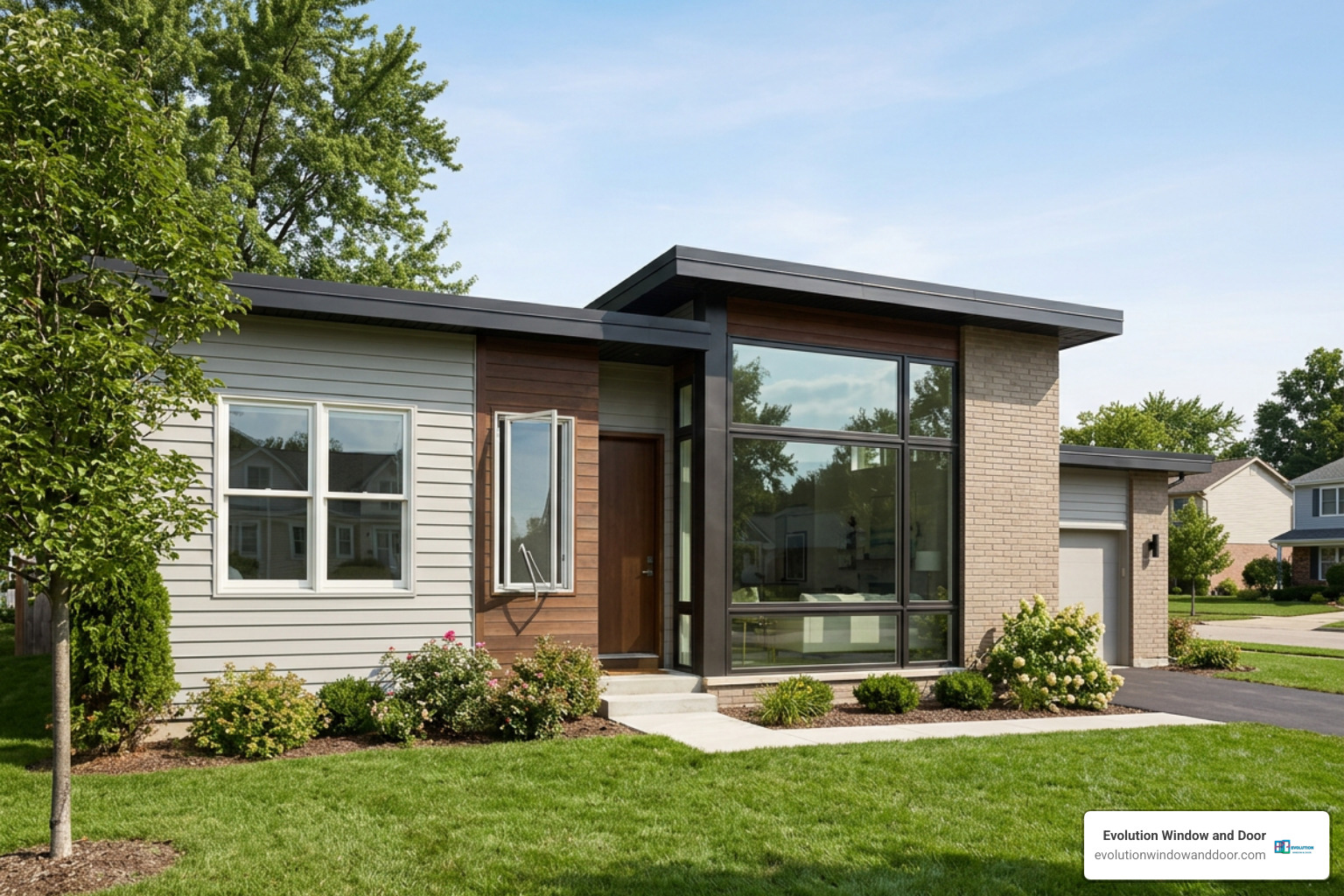
- Double-Hung Windows: Feature two operational sashes that slide vertically. Both sashes tilt inward, allowing you to clean the exterior glass easily from inside your home.
- Single-Hung Windows: Feature a fixed top sash and an operable bottom sash, providing a traditional appearance with fewer mechanical components.
- Casement Windows: Hinged at the side and operated with a smooth hand crank, casement windows swing outward to catch cooling cross-breezes while pressing firmly against weatherstripping for a tight seal when locked.
- Sliding (Glider) Windows: Sashes slide horizontally along tracks, making them an ideal choice for wide openings and walkways where an outward-swinging window would cause an obstruction.
- Picture Windows: Fixed, non-opening units designed to maximize natural light and capture unobstructed outdoor views.
Matching Architectural Style and Ventilation Needs
When choosing operable styles, consider the layout of the room. Awning windows (hinged at the top) let you catch fresh air even during a light rain shower, while expansive picture windows frame scenic views. For whole-home remodeling projects that coordinate openings, learning the key differences between doors and windows helps ensure structural symmetry and cohesive architectural hardware across your living spaces.
Installation Process: Hiring Contractors vs. DIY
A window is only as good as its installation. Even the highest-rated product will leak, draft, or fail prematurely if the perimeter drainage and anchoring are executed improperly.
Hiring a Qualified Contractor
When evaluating installation contractors, look for these vital credentials:
- Factory Certifications: Installers trained directly by manufacturers understand product-specific tolerances, ensuring full compliance with warranty guidelines.
- Dual Warranty Protection: Always verify that you receive both a manufacturer product warranty (typically covering materials and glass seals for 10 to 20 years, or lifetime) and a contractor labor warranty (protecting against installation defects for 1 to 10 years).
- EPA Lead-Safe Certification: Federal law requires EPA Lead-Safe certified contractors when working on homes built prior to 1978 to contain hazardous lead dust during frame removal.
DIY vs. Professional Window Replacement
Can you replace a window yourself? While an experienced DIYer might tackle an insert replacement on a ground-floor opening, full-frame tear-outs and impact installations require advanced carpentry and water management skills.
A complete installation demands specialized tools and materials:
- Heavy-duty caulk gun, non-hardening sealant, and low-expanding polyurethane foam
- Waterproof composite shims, carpenter’s levels, pry bars, and power drivers
- Flexible self-adhering flashing tape integrated in a shingle-lap fashion with the home’s water-resistive barrier (WRB)
A single ground-level full-frame replacement takes 4 to 6 hours for an experienced technician. Professional multi-person crews can complete an entire 10-to-15 window installation cleanly in a single day, handling permit inspections, disposal, and structural flashing with zero hassle.
Frequently Asked Questions About Window Upgrades
How much can I save on energy bills with new windows?
Installing Energy Star certified replacement windows saves homeowners an average of 13 percent on annual heating and cooling expenses. Replacing 10 single-pane windows with modern double-glazed units can save up to $568 per year in utility costs, significantly easing monthly cooling bills.
What warranty coverage should I look for in new windows?
Look for a comprehensive two-tier warranty structure:
- Manufacturer Warranty: Covers structural frame integrity, hardware, and insulated glass unit (IGU) seal failure against fogging for 10 to 20 years (or lifetime).
- Installation Workmanship Warranty: Provided directly by your installer to cover labor, weatherstripping, flashing, and sealing against water or air penetration for 1 to 10 years.
How do I know when it is time to replace my windows?
Common signs of window failure include:
- Persistent drafts or hot spots near the glass
- Sashes that stick, rattle, or refuse to stay open
- Moisture, fogging, or condensation trapped between the double-pane glass
- Visible frame rot, water staining, or termite damage around the casing
- Faded carpets, artwork, and furniture caused by unshielded UV exposure
For a deeper dive into evaluating aging openings, review our detailed guide on signs it’s time to replace your doors or windows.
Conclusion
Upgrading your home’s windows is one of the most rewarding investments you can make. Beyond modernizing your home’s curb appeal, energy-efficient and impact-rated units provide daily indoor comfort, lower utility bills, reduce exterior noise, and deliver critical protection against severe weather.
At Evolution Window & Door, we design, manufacture, sell, and install premium hurricane-rated impact windows, exterior doors, and energy-saving solutions tailored specifically for Southwest Florida homeowners. Our locally owned team provides pressure-free guidance, precise installations, and expert assistance navigating Florida window grants across Cape Coral, Fort Myers, Pine Island, Sanibel, Port Charlotte, Punta Gorda, Sarasota, Bonita Springs, and Naples.
Ready to protect and elevate your home? Contact our team for expert window and door solutions and schedule your free, personalized consultation today.


